
Silent Auction Event Setup | Complete Silent Auction Guide
A successful silent auction begins long before the first guest places a bid. Proper event setup plays a critical role in how easily attendees can browse items, understand the bidding process, and ultimately participate in the fundraiser. A well-organized layout encourages engagement, improves visibility for auction items, and creates an enjoyable experience for donors.
For nonprofit organizations, schools, PTO groups, and community fundraising committees, understanding how to properly set up a silent auction event can significantly increase both participation and revenue. Poor organization or confusing layouts can reduce bidding activity and limit fundraising potential.
This guide explains exactly how to plan and execute a silent auction event setup, from table layouts and item displays to bid sheets and guest flow. Whether you are hosting your first auction or looking to improve an existing event, this guide will help you create a setup that encourages bidding and maximizes fundraising success.
For nonprofit organizations, schools, PTO groups, and community fundraising committees, understanding how to properly set up a silent auction event can significantly increase both participation and revenue. Poor organization or confusing layouts can reduce bidding activity and limit fundraising potential.
This guide explains exactly how to plan and execute a silent auction event setup, from table layouts and item displays to bid sheets and guest flow. Whether you are hosting your first auction or looking to improve an existing event, this guide will help you create a setup that encourages bidding and maximizes fundraising success.
What Is Silent Auction Event Setup?
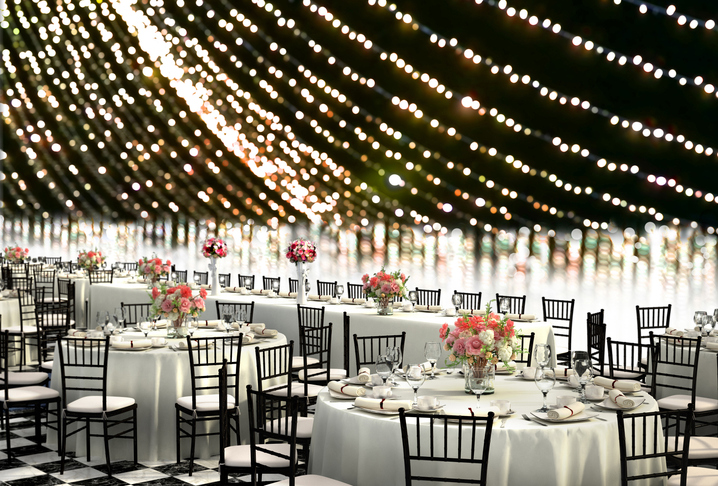
Silent auction event setup involves organizing tables, auction items, bid sheets, and signage in a way that makes it easy for guests to browse and place bids. The goal is to create a layout that encourages movement, visibility, and participation. A well-planned setup ensures guests understand how to bid and have easy access to auction items throughout the event.
At a silent auction fundraiser, guests browse tables displaying donated items and experiences. Instead of a live auctioneer, participants write their bids on bid sheets placed next to each item or use a mobile bidding platform.
The event setup determines how easily guests can interact with the auction. Items must be clearly displayed, labeled, and accessible so participants can quickly understand what is being offered and how to bid.
Nonprofits typically arrange items on long tables around the event space or in themed sections. For example, gift baskets might appear together while travel packages and experiences appear in another area.
Effective setup also includes clear signage explaining the bidding rules, starting bids, minimum increments, and closing times. When guests feel comfortable navigating the auction, they are more likely to place bids and return throughout the event to increase them.
Ultimately, thoughtful event setup creates a smoother experience for both guests and event volunteers while helping organizations raise more funds.
The event setup determines how easily guests can interact with the auction. Items must be clearly displayed, labeled, and accessible so participants can quickly understand what is being offered and how to bid.
Nonprofits typically arrange items on long tables around the event space or in themed sections. For example, gift baskets might appear together while travel packages and experiences appear in another area.
Effective setup also includes clear signage explaining the bidding rules, starting bids, minimum increments, and closing times. When guests feel comfortable navigating the auction, they are more likely to place bids and return throughout the event to increase them.
Ultimately, thoughtful event setup creates a smoother experience for both guests and event volunteers while helping organizations raise more funds.
STEP-BY-STEP PROCESS
1. Choose the Auction Location Within the Venue
Select a visible area of the venue where guests will naturally gather. Auction tables often work best near the entrance, reception area, or along the main event space perimeter.
2. Arrange Tables for Easy Guest Flow
Place tables in rows or U-shaped layouts that allow guests to walk comfortably between displays. Avoid crowding tables too closely together.
3. Group Items Into Categories
Organize auction items into categories such as travel, family experiences, sports memorabilia, or gift baskets. This helps guests quickly find items that interest them.
4. Prepare Bid Sheets and Item Descriptions
Each item should have a clearly printed bid sheet including the starting bid, minimum bid increment, and space for bidder names and amounts.
5. Display Items Attractively
Use table risers, baskets, or stands to elevate items and make them visually appealing. Attractive displays naturally draw attention from guests.
6. Add Clear Instructional Signage
Post signs explaining how the silent auction works, including bidding rules, closing times, and payment procedures.
7. Assign Volunteers to Monitor Tables
Volunteers can answer questions, prevent bid sheet confusion, and ensure items remain properly displayed throughout the event.
8. Plan for Auction Closing Procedures
Determine how and when bidding will close. Many events close tables in stages to maintain excitement and manage checkout more efficiently.
KEY COMPONENTS
Several elements must work together to create an effective silent auction event setup.
Auction Tables
Tables provide the primary display space for auction items. Standard six- or eight-foot banquet tables work well for most events.
Item Displays
Each item should be clearly visible. Gift baskets, experiences, or memorabilia should be arranged neatly with supporting materials or photos when necessary.
Bid Sheets
Bid sheets allow participants to write their bids during traditional silent auctions. These sheets typically include:
Signs placed near the auction area help guests understand:
Volunteers help monitor the auction area, answer questions, and ensure the bidding process runs smoothly.
Auction Tables
Tables provide the primary display space for auction items. Standard six- or eight-foot banquet tables work well for most events.
Item Displays
Each item should be clearly visible. Gift baskets, experiences, or memorabilia should be arranged neatly with supporting materials or photos when necessary.
Bid Sheets
Bid sheets allow participants to write their bids during traditional silent auctions. These sheets typically include:
- Item name and description
- Starting bid
- Minimum bid increment
- Bidder name and contact fields
Signs placed near the auction area help guests understand:
- how bidding works
- when bidding closes
- where checkout will occur
Volunteers help monitor the auction area, answer questions, and ensure the bidding process runs smoothly.
COMMON MISTAKES
Many silent auctions underperform because of avoidable setup problems.
Crowded table layouts
Guests may struggle to browse items comfortably when tables are too close together.
Poor lighting around auction tables
If guests cannot clearly see items or read bid sheets, they are less likely to participate.
Unclear bidding instructions
Participants may avoid bidding if they do not understand the process.
Overcrowded tables with too many items
Displays become confusing when too many items appear on a single table.
Small or hard-to-read item descriptions
Guests need clear information to decide whether to bid.
No volunteer support
Without volunteers nearby, guests may feel uncertain about the bidding process.
Items placed too far from main event areas
If auction tables are hidden or isolated, participation drops.
Crowded table layouts
Guests may struggle to browse items comfortably when tables are too close together.
Poor lighting around auction tables
If guests cannot clearly see items or read bid sheets, they are less likely to participate.
Unclear bidding instructions
Participants may avoid bidding if they do not understand the process.
Overcrowded tables with too many items
Displays become confusing when too many items appear on a single table.
Small or hard-to-read item descriptions
Guests need clear information to decide whether to bid.
No volunteer support
Without volunteers nearby, guests may feel uncertain about the bidding process.
Items placed too far from main event areas
If auction tables are hidden or isolated, participation drops.
FAQ SECTION
How many tables should a silent auction event have?
The number of tables depends on the number of items being auctioned. Many nonprofit events use one table for every 8–12 items to ensure displays remain organized and easy to browse.
Where should silent auction tables be placed?
Auction tables should be placed in visible areas where guests naturally gather, such as near the reception area, bar, or main event space. Avoid placing them in isolated corners of the venue.
What should be included on a silent auction bid sheet?
Bid sheets typically include the item name, description, starting bid, minimum bid increment, and spaces for bidder names and bid amounts.
How long should a silent auction stay open?
Many silent auctions remain open for one to two hours during the event. Some organizers close sections of tables at different times to keep bidding activity high.
Do silent auctions require volunteers?
Yes. Volunteers help explain bidding rules, monitor bid sheets, and ensure the auction area remains organized throughout the event.
TIPS FOR SUCCESS
Experienced fundraising organizers often use several strategies to improve silent auction event setups.
- Place high-value items in visible areas to attract attention early.
- Use themed sections so guests can easily browse similar items.
- Leave enough space between tables to prevent congestion.
- Add decorative elements that match the event theme.
- Use clear printed signage explaining bidding rules.
- Encourage volunteers to engage guests near auction tables.
- Display photos or certificates for experiences that cannot appear physically.
- Consider staggered closing times to maintain bidding excitement.
- Provide pens and clipboards at each table to make bidding easier.
- Test the layout before guests arrive to identify potential traffic issues.
GUIDE SUMMARY
A well-planned silent auction setup improves the overall guest experience and increases fundraising potential.
Key takeaways include:
Key takeaways include:
- Organize tables to allow comfortable guest movement.
- Clearly display items and provide easy-to-read bid sheets.
- Use signage and volunteers to guide participants through the bidding process.
- Avoid overcrowded tables or confusing layouts.
- Plan closing procedures to maintain excitement during the event.
Explore More Silent Auction Resources
A successful silent auction fundraiser requires thoughtful planning, strong partnerships, and an engaging event experience.
By understanding how auctions work and what motivates bidders, organizations can create events that raise meaningful support for their mission.
By understanding how auctions work and what motivates bidders, organizations can create events that raise meaningful support for their mission.
Explore our guides to learn more about:
Step-by-step guides explaining how silent auctions work, how to plan them, and how to run a successful fundraising event.
Explore proven strategies nonprofits use to plan, promote, and maximize fundraising results from silent auction events.
Download templates and tools that help nonprofits organize auction items, track bids, and manage fundraising events.
The Association of Fundraising Professionals offers research, ethical standards, and best practices to help nonprofits improve fundraising success.